Agentic AI speeds up SETI’s hunt for alien signals
On 30 October 2026 NVIDIA announced that its Holoscan‑based AI agents are now part of the daily workflow at the Allen Telescope Array. The agents can steer the dish, clean the data and even spot a pulsar in real time.
How the system works
At the Allen Telescope Array in Northern California, a library called DAQIRI pulls terabits of sensor data straight into GPU memory. The data are processed on‑site with NVIDIA RTX PRO 6000 Blackwell GPUs, handling up to 2.4 terabits per second.
A web‑based orchestrator named Nexus gives the agents a single source of truth. Researchers can ask in natural language to re‑calibrate the antenna, rewrite signal‑processing blocks or view live spectrograms.
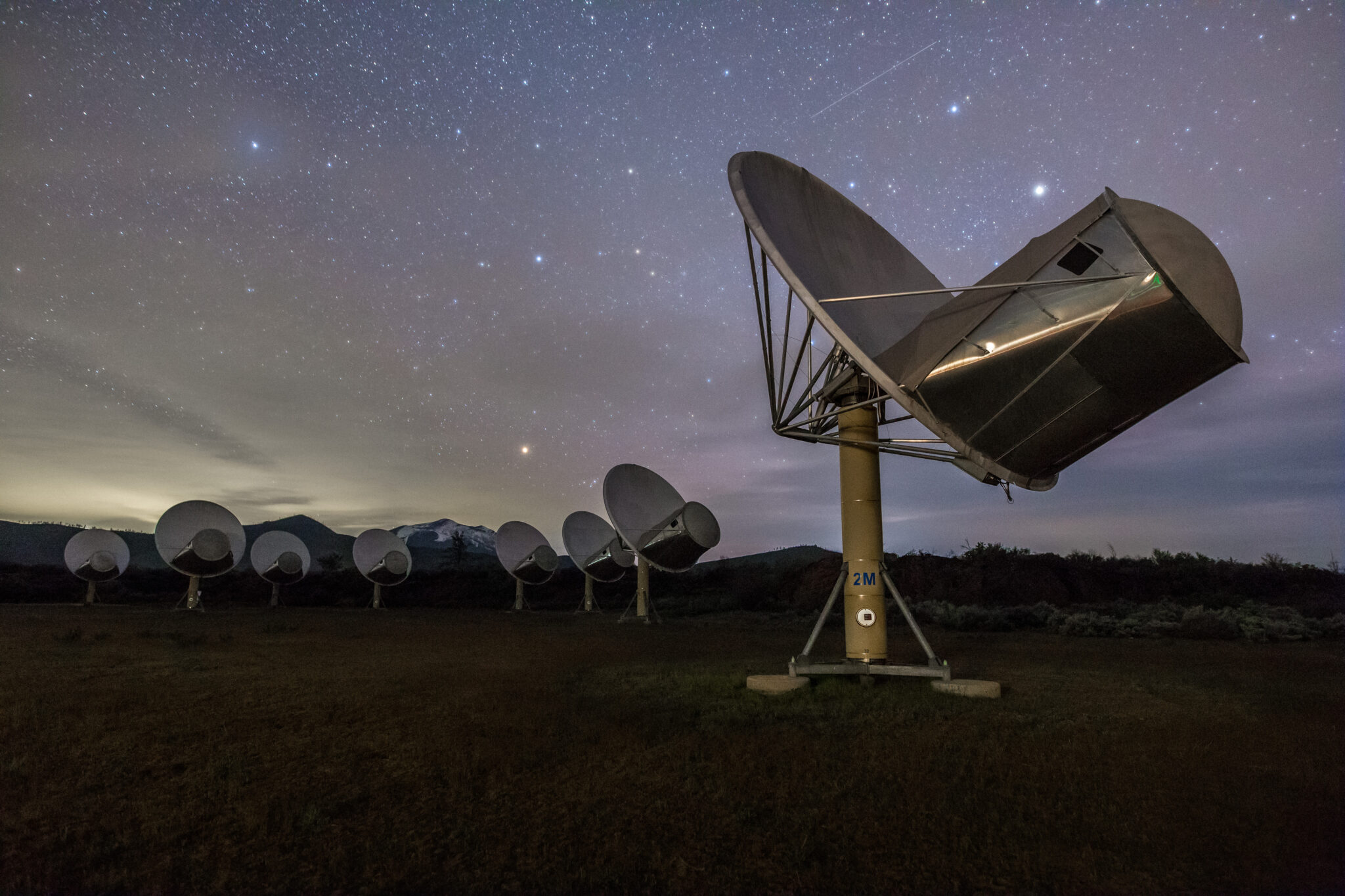
Image: NVIDIA
What the agents actually do
Agents can steer the telescope’s antennae, calibrate and focus the instrument, catch and fix data errors, and plot results—all by prompting in plain language. The pipeline compresses work that would have taken humans weeks or years into a few hours.
The first real‑time AI detection was a pulsar in the Crab Nebula, proving the approach works on live data.
Open questions and next steps
The team is now testing open models like NVIDIA Nemotron for scenarios where data locality matters, such as observatories that might operate on the far side of the moon. It remains to be seen how well these models perform without a constant internet link.
Sources
This post is based on NVIDIA.
Want more AI news in plain English? Read the latest on the Zoetra Blog.