Anthropic shows how AI ‘dreaming’ sharpens agent memory
On 6 November 2026 Anthropic published a post explaining how its Claude agents can “dream”, using idle time to replay logs, tag important bits and write new notes. The approach lets the models keep useful facts between sessions without changing their core weights.
What dreaming means for an AI
Anthropic borrows from human sleep: the hippocampus replays recent events while we rest, letting the brain distil knowledge. Claude does something similar. After each interaction it stores a transcript, then during downtime it reviews the log, fixes mistakes and creates concise memory notes.
The post calls this offline processing “dreaming”. It isn’t a new model – it’s a workflow that lets the same Claude version keep a growing folder of files it can read in future chats.
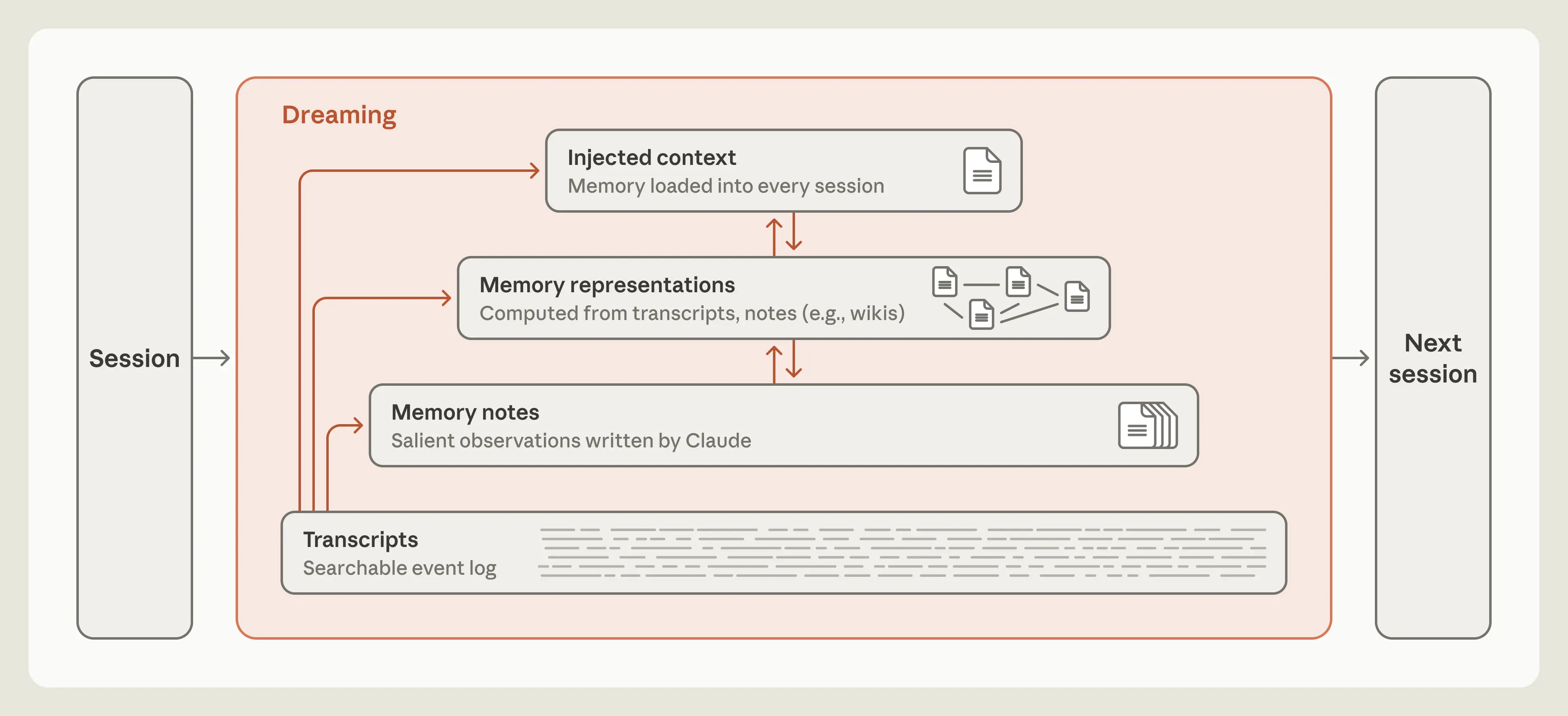
Image: Anthropic
How Claude tags salience
During a conversation Claude can mark a line as salient, writing it to a memory store so it’s easy to find later. The system also lets Claude predict which facts will be needed again – for example, a verified statistic becomes a rule for future queries.
- Salient tags are added in‑session
- Memory files act like a personal notebook
- Rules are written when Claude confirms a fact
Closed‑loop learning in practice
Anthropic tested the idea on the CL‑Bench 1.0 continual‑learning benchmark. Claude started each question in a fresh session but could pull from a persistent memory directory.
Claude Opus 5 was the first model to close the loop: it recorded why an answer was wrong, formed a rule, and added a clear warning for future runs. Opus 5.5 and Sonnet 5.5 later matched that performance, showing the memory trick works across model versions.
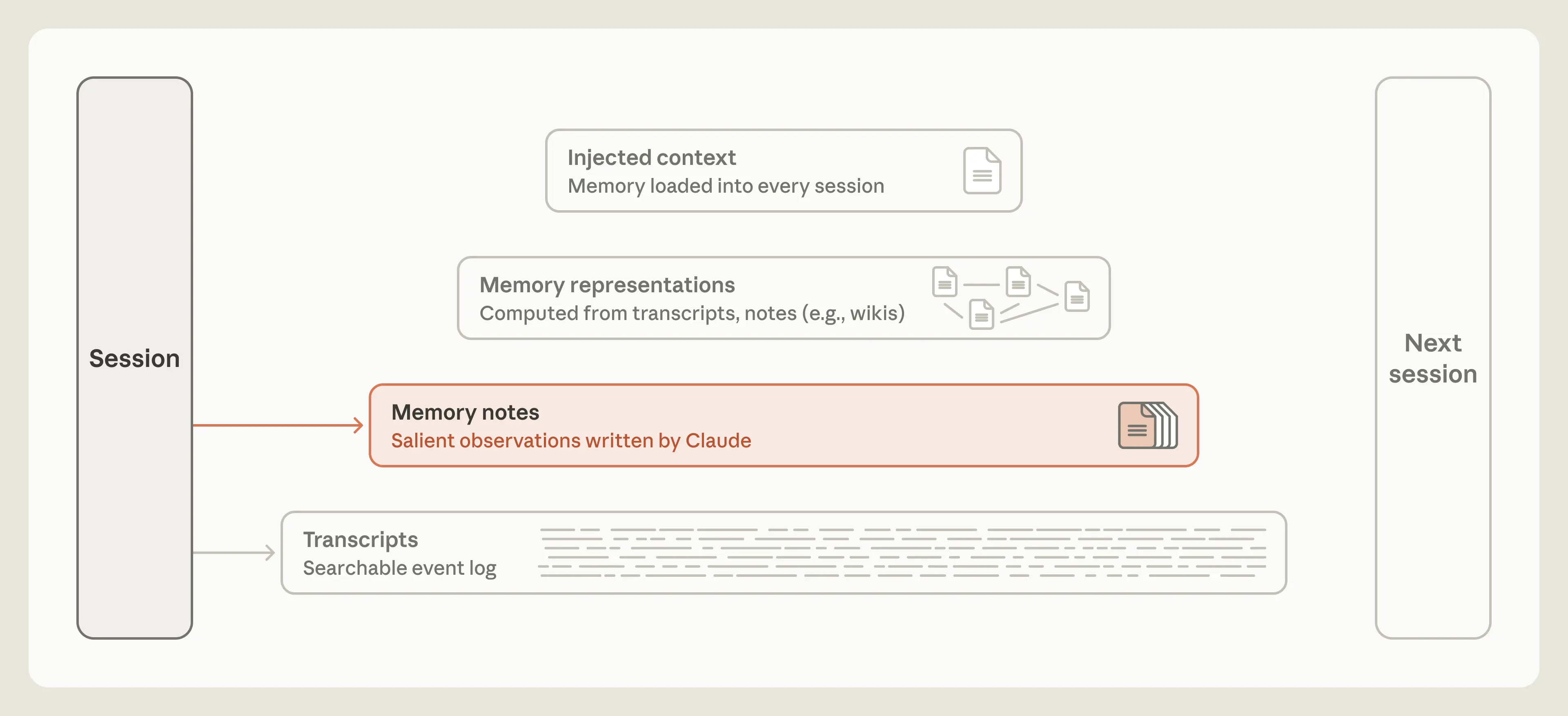
Image: Anthropic
Memory discipline matters
A side test had Claude play Pokémon Red. Sonnet 3.7 dumped every encounter into a separate file – 413 files across 225 folders – and earned only one badge. The contrast highlights a risk: too much noise can drown out the useful signals.
Why creators should care
If you use Claude‑based agents for content research, copywriting or workflow automation, the dreaming feature means the assistant can remember past client preferences or brand guidelines without you re‑feeding them each time.
That reduces friction and cuts down on repetitive prompts – a small but noticeable boost for freelancers juggling many projects.
What’s next for agent memory
Anthropic’s dreaming shows that smarter log‑review can give AI agents a useful, lightweight memory, but the balance between too many notes and the right ones still needs fine‑tuning.
Sources
This post is based on Anthropic.
Want more AI news in plain English? Read the latest on the Zoetra Blog.