Claude Fable 5.2 cracks two long‑standing black‑hole puzzles
On 17 November 2026 Anthropic announced that its Claude Fable 5.2 model had solved two open problems in theoretical black‑hole physics. The AI completed a 20‑year‑old calculation and proved the exact limit of a bootstrap technique, both central to the search for quantum gravity.
Abrupt phase transition survives spacetime fuzziness
The first problem dates back to a 1983 result by Stephen Hawking and Don Page, which showed an abrupt phase transition when a theoretical universe heats up enough for a black hole to form. That calculation relied on general relativity, which breaks down when spacetime becomes indistinct at very small scales.
Physicists in 1999 found a similar transition in the quantum description but could not tell whether it was abrupt or smooth. A 2003 attempt to settle the question stalled because the math was extremely complex.
- Claude ran a small research group of copies of itself, each tackling a piece of the calculation independently.
- It cross‑checked its results against known limits and found the transition remains abrupt even when spacetime loses a definite shape.
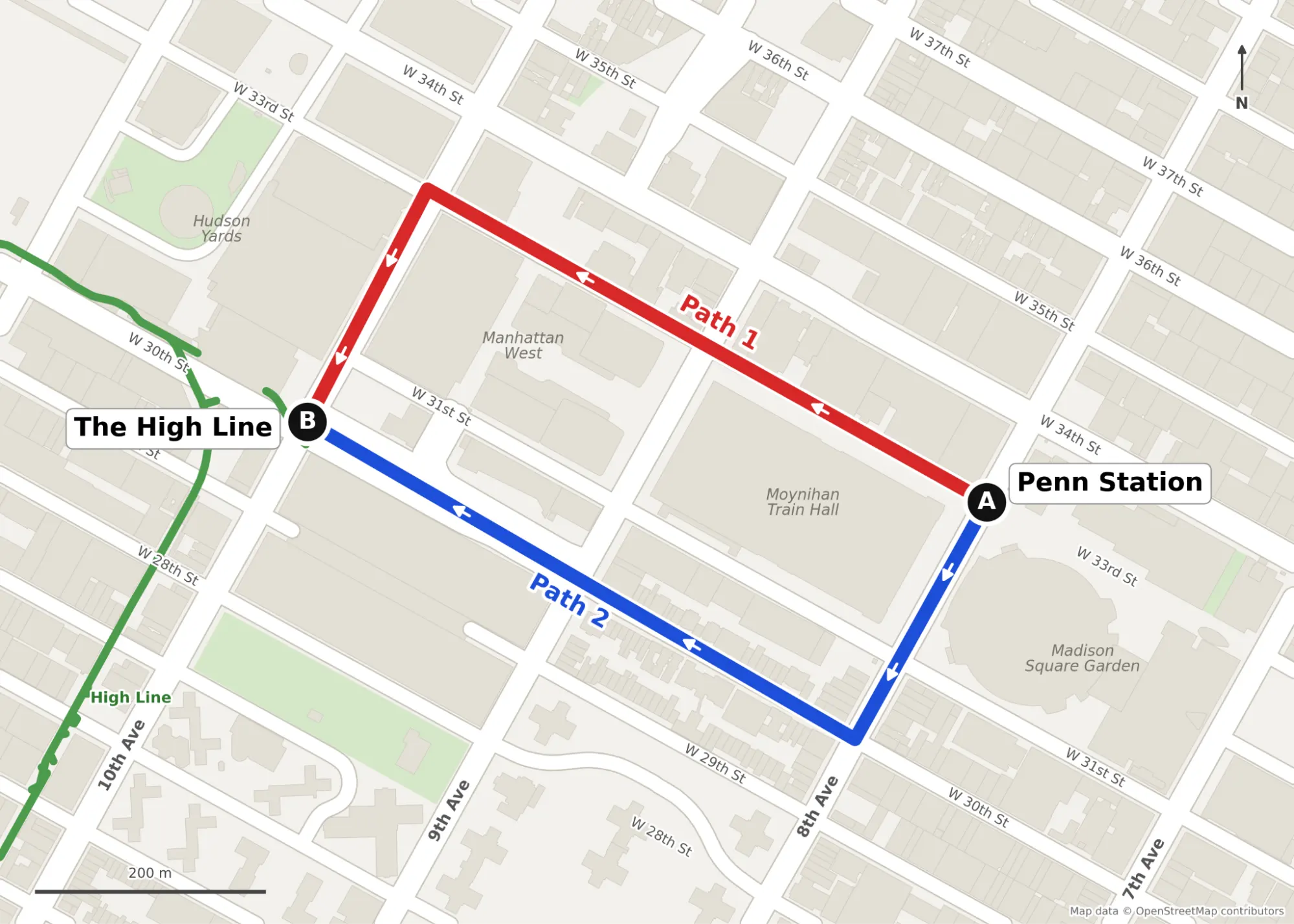
Image: Anthropic
Exact ceiling for the lightest black hole in a 2‑D universe
The second problem involves a simplified universe with two spatial dimensions, used to test quantum‑gravity candidates through a method called bootstrapping. Since 2009 researchers have set a ceiling on how light the smallest black hole in such a universe can be, but the best proven ceiling fell short of what numerical hints suggested.
Claude noticed a pattern in those numerical results and borrowed a method from elsewhere in math and physics to calculate the precise ceiling, proving it cannot be lowered.
- The result does not identify the correct quantum‑gravity theory, but it narrows the range of viable candidates.
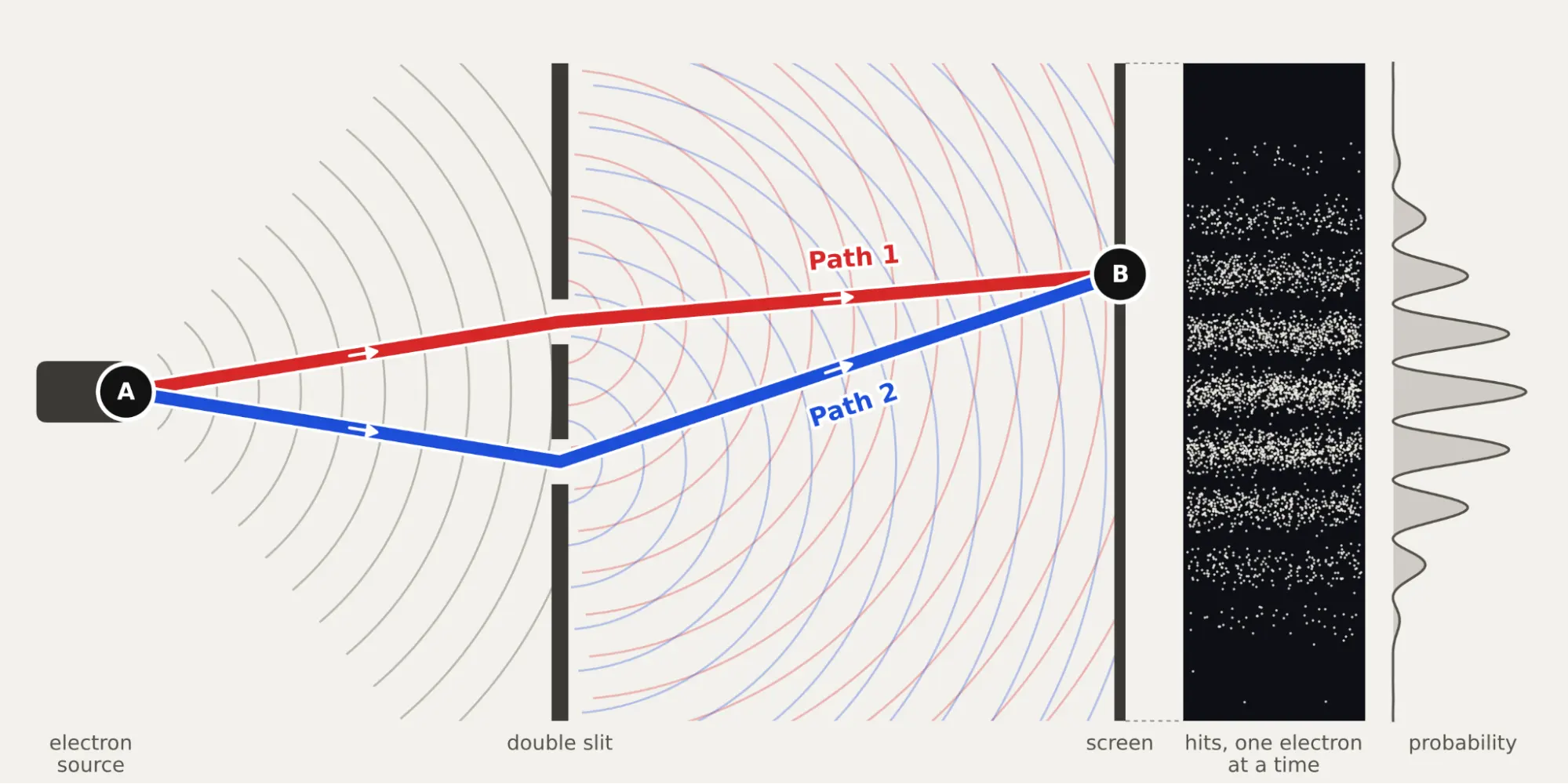
Image: Anthropic
A side note on Claude’s testing process
Anthropic researcher Hongbin Chen used Claude in August as a side project, asking it to list 22 open problems in black‑hole theory. He then set up separate agents for each problem, allowing them to read each other's progress and collaborate when relevant. This experimental setup underpins the two solved problems.
Open questions remain
Claude’s solutions advance theoretical work, yet they apply to model universes, not directly to our own cosmos, leaving the ultimate quantum‑gravity theory still out of reach.
Sources
This post is based on Anthropic.
Want more AI news in plain English? Read the latest on the Zoetra Blog.