Google launches Polar Peaks quest to map the brain with AI
Google Research and the Stanford Accelerator for Learning have rolled out Polar Peaks, the third AI Quest in their series. Launched on 26 October 2026, the interactive game targets students aged 11 to 14 and focuses on mapping the human brain with artificial intelligence.
What Polar Peaks actually does
In the quest, learners act as junior researchers, scanning and mapping neurons to help a game character recover memories. The experience mirrors real‑world connectomics work, letting kids practise data cleaning and model testing.
Google says the quest shows “how AI helps scientists study the brain and speed up research” while stressing that “AI requires careful human oversight and critical thinking.”
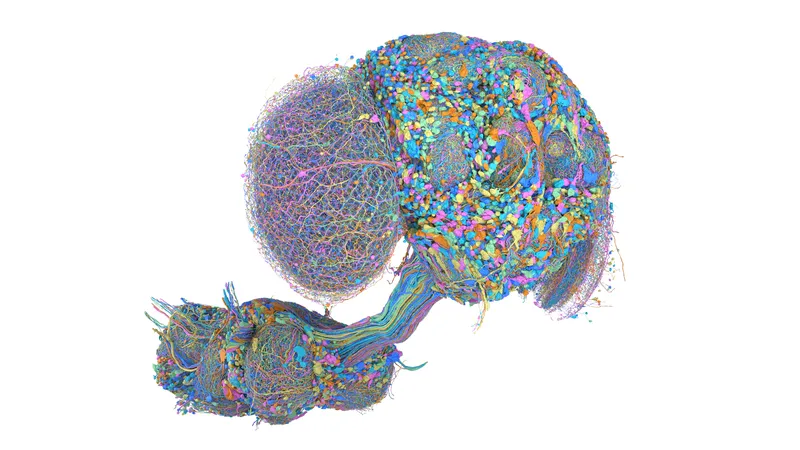
Image: Google
Teacher support built in
Alongside the game, Google is releasing new teacher‑training modules through the Google AI Educator Series. These modules are designed to help educators weave the AI literacy concepts into existing curricula.
The rollout follows similar support for the first two quests on flood forecasting and eye disease detection, which also came with training resources.
A quick look at the quest’s track record
Google notes that more than 400,000 AI Quests have been completed to date, available in ten languages. Polar Peaks joins two earlier quests that tackled flood forecasting and diabetic retinopathy screening, both inspired by Google’s own research initiatives.
The series earned a 2026 Webby Award for AI Education, Learning & Training, and a Best Global K‑12 Learning Solution award at the ETIH Innovation Awards.
Open questions and next steps
Google plans to release the dedicated teacher module for Polar Peaks next month, but it hasn’t said how many classrooms will adopt it this term.
The quest hints at future AI‑driven science games, yet it remains unclear whether similar tools will cover other complex fields like genetics or climate modelling.
Sources
This post is based on Google.
Want more AI news in plain English? Read the latest on the Zoetra Blog.