GPT‑6 designs proteins without specialised tools
OpenAI announced on 24 November 2026 that its GPT‑6 family can design new protein shapes and sequences using only reasoning and code. In lab tests with partner Onava, designs from GPT‑6.2 showed binding evidence across five targets.
Intrinsic design ability
The GPT‑6 models create protein structures and amino‑acid sequences without calling specialised biology models. Researchers prompted the model on where a protein should attach and what shape it should take, and the model generated designs that matched or outperformed specialised tools on many tasks.
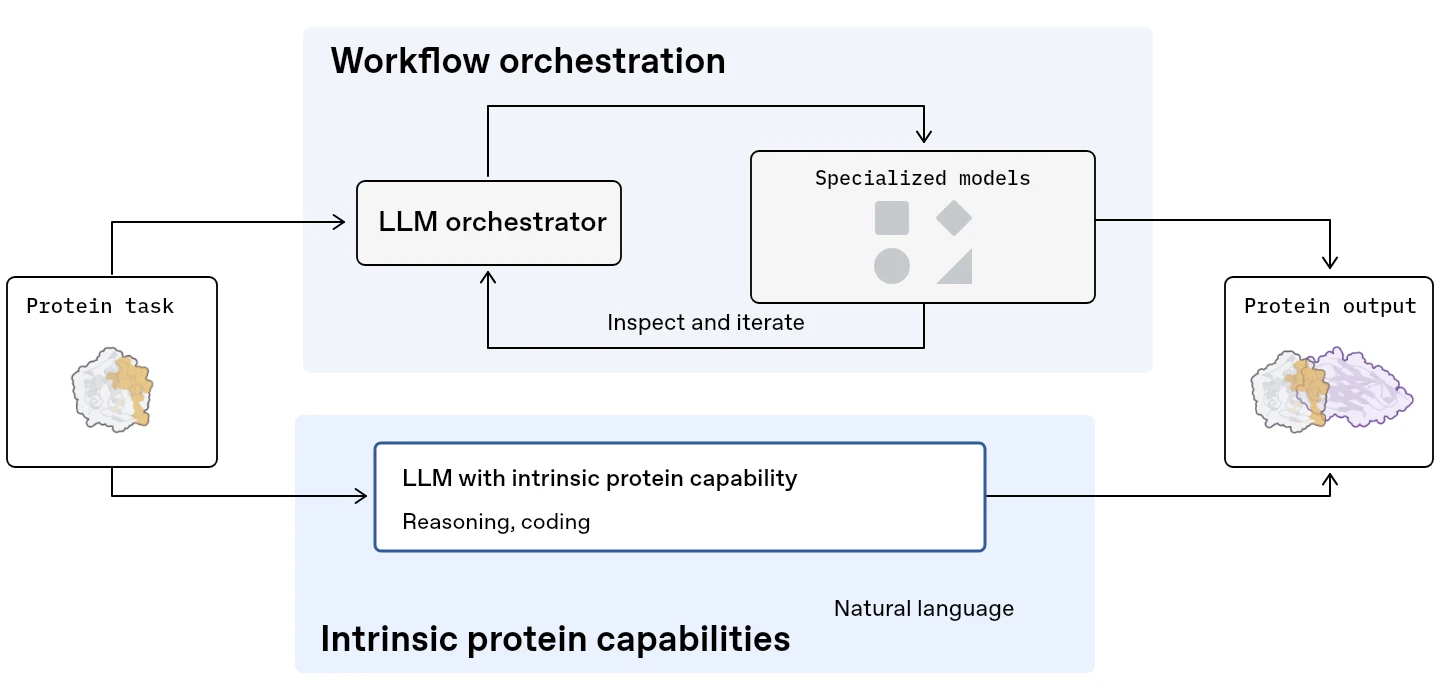
Image: OpenAI
Lab validation with Onava
Onava built small proteins from three‑dimensional structures produced by a pre‑released GPT‑6.2. Specialized models supplied sequences and helped pick candidates, but the core designs came from GPT‑6.2. For each of the five targets, at least one protein showed evidence of binding in the lab.
- Redesigned antibodies retained binding
- Minibinder designs followed prompt instructions with near‑perfect fidelity
Why it matters for creators
If you work on biotech content, educational tools or small‑scale protein projects, a single general‑purpose model could replace a suite of specialised tools. That means less time learning each model’s quirks and more flexibility to tweak designs through simple prompts.
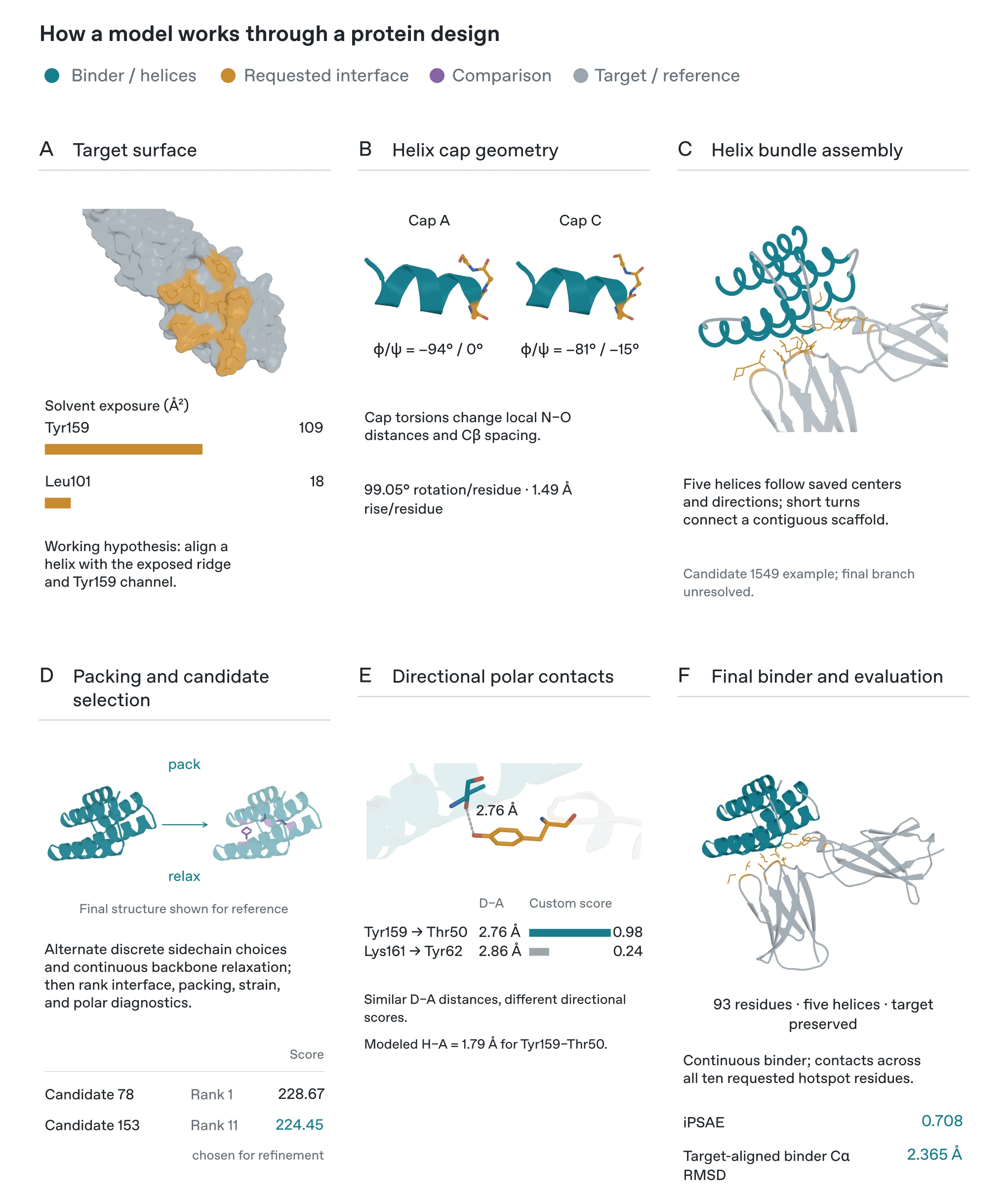
Image: OpenAI
Remaining challenges
Predicting a complete protein structure still lags behind specialised models, according to the research. The authors note that while GPT‑6 performed well on 14 tested tasks, full‑structure prediction remains a clear weakness.
How the model works
The model’s written reasoning and generated code reveal it draws on maths, physics, chemistry and biology. For a minibinder targeting IL‑7Rα, it examined the target’s surface, arranged coiled sections and wrote code to explore shape and sequence options.
What comes next for AI protein design
OpenAI’s claim shows promise, but the gap in full‑structure prediction means creators should watch future updates for a more complete solution.
Sources
This post is based on OpenAI.
Want more AI news in plain English? Read the latest on the Zoetra Blog.