NVIDIA Vera CPU powers agents up to twice as fast while cutting energy use
On 5 November 2026 NVIDIA announced its Vera CPU, promising the fastest AI agent speed and the highest throughput per watt. Early partners report up to double the speed of leading x86 chips, while using less power.
Speed and capacity claims
NVIDIA says a single Vera CPU outperforms both the fastest and the most energy‑efficient x86 CPUs in a 100‑megawatt data‑centre test. The claim is 2x faster agent speed compared with the most efficient x86 part, and 1.6x more agents per watt than the fastest x86 CPU.
That matters because AI factories need to juggle many agents – searching, coding, querying databases – while staying inside tight power budgets.
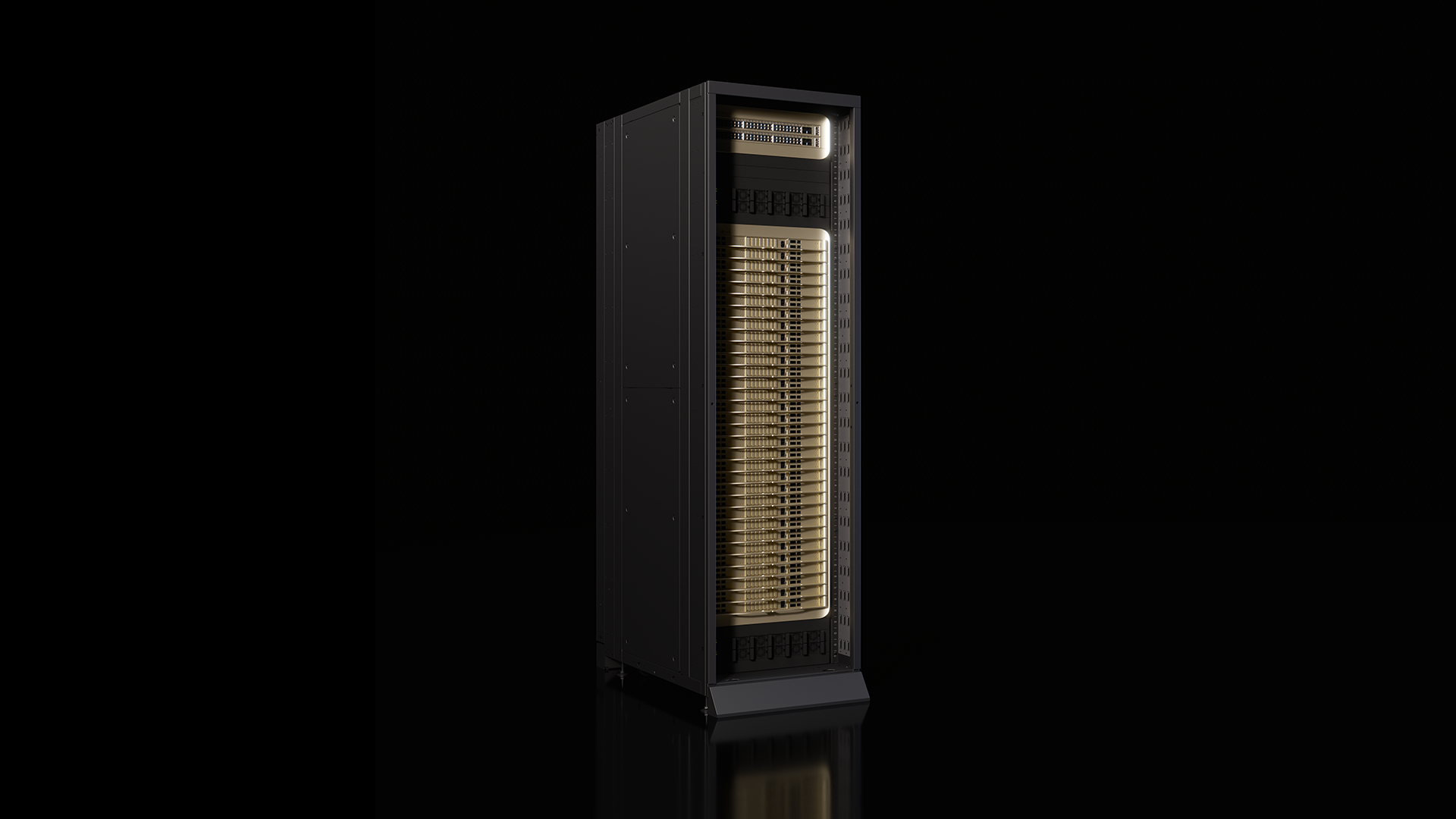
Image: NVIDIA
Early adopter results
Perplexity saw its agentic coding tasks run 1.5x faster on Vera and plans to deploy the chip in production. DeepInfra reported up to 2.2x speed on agentic orchestration, topping four architectures it tested. ClickHouse’s standard binary scaled near‑linearly across 176 cores and led the ClickBench hardware leaderboard without any Vera‑specific tuning.
- DuckLabs: about 1.5x the median TPC‑H SF1000 performance of an Intel Xeon 6 baseline
- Daytona: 1,000 agent sandboxes launched in 10.8 seconds, 12.7 jobs / s at 2,000 concurrent sandboxes versus 88.4 seconds on x86
- Modal: up to 2x sandbox throughput per core, with gains growing under heavy load
Why it matters for creators and small businesses
If you run AI‑driven services – from content generation to code assistants – faster agents mean lower latency for your users and the ability to handle more requests on the same hardware bill. The power efficiency also helps keep electricity costs down, which is a big line item for small‑scale data centres.
A side note on comparison
The source compares Vera only to "the fastest x86 CPU" and "the most energy‑efficient x86 CPU" without naming specific models. That makes it hard to know exactly how Vera stacks up against the latest Intel or AMD offerings beyond the generic categories.
What’s next?
NVIDIA invites more partners to test Vera in production‑style workloads. As more real‑world data comes in, the community will see whether the early speed gains hold up across varied AI agent pipelines.
Looking ahead
If Vera delivers the promised speed and efficiency at scale, creators could run richer AI services without ballooning power costs, but broader benchmarking will be needed to confirm the advantage.
Sources
This post is based on NVIDIA.
Want more AI news in plain English? Read the latest on the Zoetra Blog.