OpenAI’s new Pando backend slashes Git push latency fivefold
OpenAI announced on 2 November 2026 that its new Pando backend now powers all development in its massive monorepo. The system delivers nearly a petabyte of Git data per day and cuts median push latency by almost five times.
Why a new backend was needed
Codex has let OpenAI engineers push many changes in parallel, creating a flood of branches, merges, fetches and clones. By the end of last year the existing monorepo infrastructure was struggling – fetches and pushes slowed, and reliability dipped below 90%.
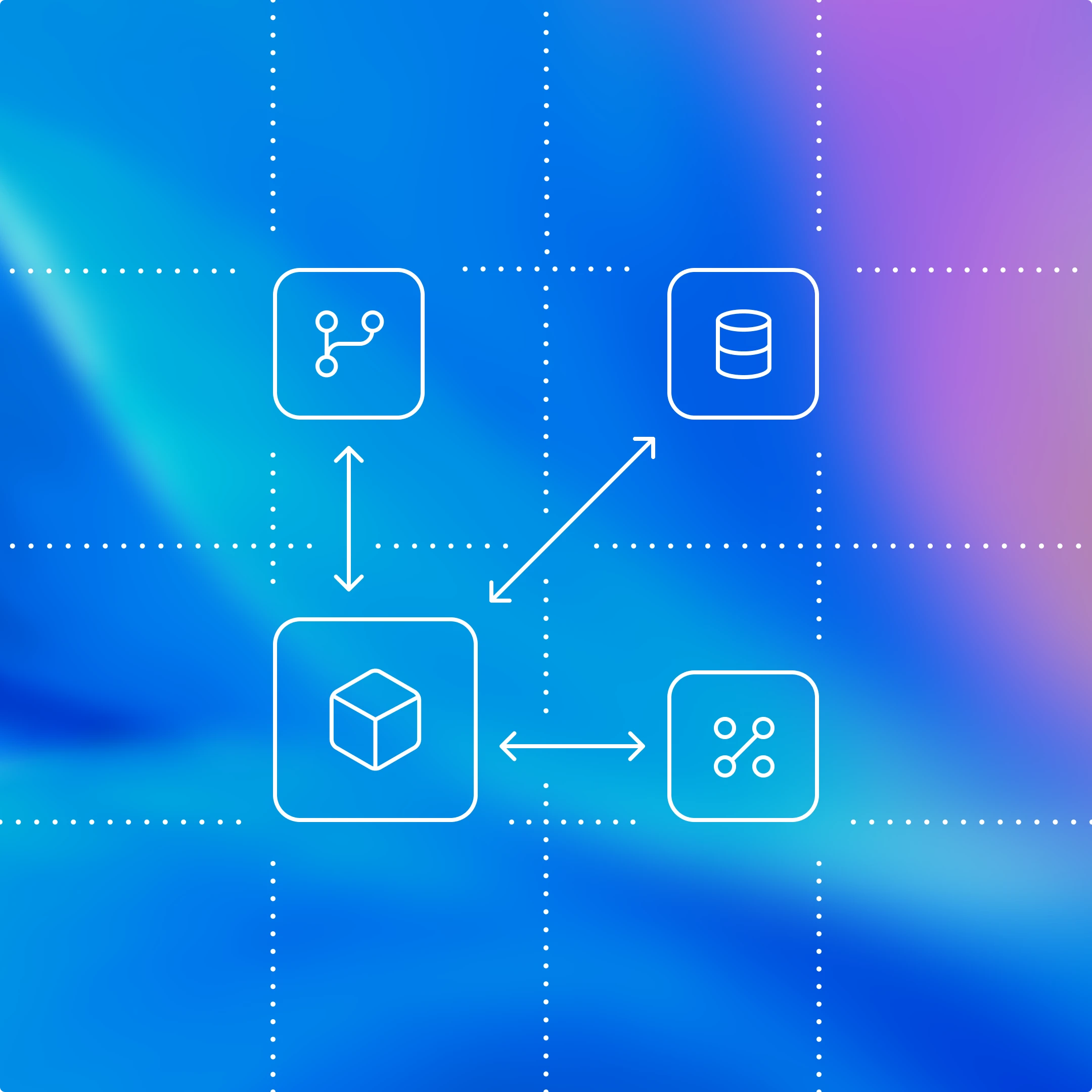
Image: OpenAI
Pando’s design for parallel writes and reads
Pando keeps the familiar Git protocol but rewrites the server side. It coordinates updates to each branch independently, so unrelated branches can be pushed at the same time. Readers fetch only the history they need, while the server re‑uses packfiles across many clients, minimising computation.
- Horizontal scaling of writes
- Maximised read throughput
- Compatibility with existing Git clients
Concrete performance gains
In production the new backend cuts median push latency by nearly five times. It also delivers almost a petabyte of Git data each day, meaning developers can saturate their network bandwidth when pulling large histories.
Image: OpenAI
What this means for creators and small teams
If you run a small‑scale monorepo or rely on heavy CI pipelines, faster pushes and reads can shave minutes off each build cycle. That translates into quicker feedback on code changes and less waiting for collaborators.
Open questions and next steps
OpenAI says it will keep contributing improvements back to the upstream Git project, but it remains to be seen how quickly the broader community will adopt these changes. For now, the biggest question is whether other organisations can replicate Pando’s scale without rebuilding their own backends.
Sources
This post is based on OpenAI.
Want more AI news in plain English? Read the latest on the Zoetra Blog.