OpenAI expands free ChatGPT access to 200,000 researchers
OpenAI announced on 16 November that its ChatGPT for Academic Researchers programme is widening. From 23 November the next round will award 50,000 new free ChatGPT Plus grants, taking the overall target to 200,000 researchers worldwide.
What the new round offers
Each grant covers the recipient and up to two collaborators, giving them free access to ChatGPT Plus. The rollout follows a pilot that began in July and has already welcomed 20,000 researchers in 33 countries.
OpenAI says the shift from a lottery‑based system to a first‑come, first‑served model will simplify the process and let more teams benefit.
- 50,000 new grants for the upcoming round
- Free ChatGPT Plus for each grant holder and two teammates
- Goal of 200,000 total researchers, double the original target
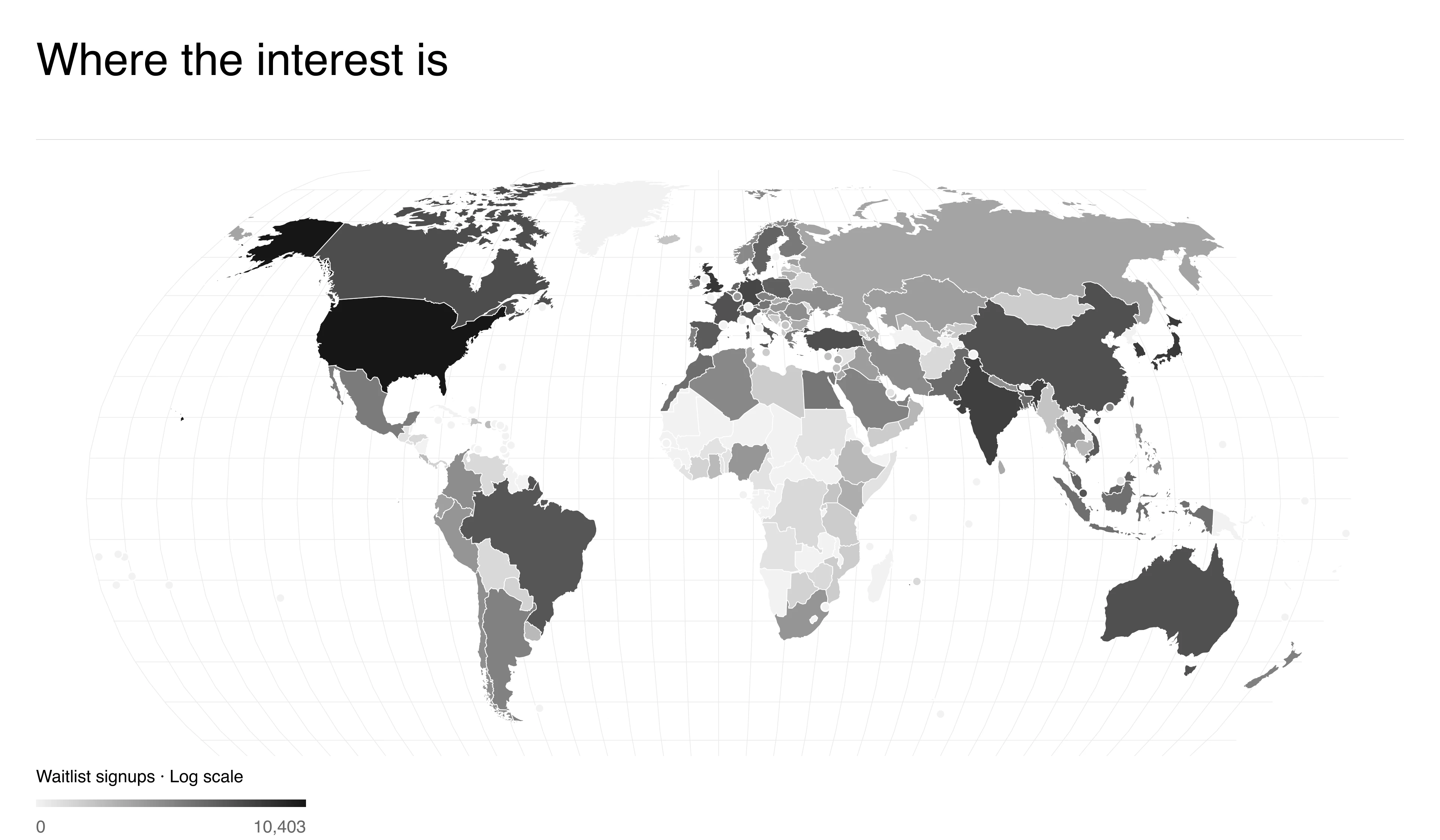
Image: OpenAI
Why it matters for creators and small businesses
If you run a boutique lab, design studio, or data‑driven consultancy, the free licences could cut tool costs dramatically. The pilot’s own survey found that, without AI, the same work would have taken “nearly twice as long.”
Having access to OpenAI’s frontier models and training means you can experiment with AI‑enhanced workflows without the usual subscription fees.
Early success stories from the pilot
Shuqi Li, a researcher at Brigham and Women’s Hospital, is using ChatGPT to link lab and patient data in the hunt for faster tuberculosis drugs.
Arthur Porto’s team at the Florida Museum of Natural History turned specimen photos into searchable databases and even built a 3D butterfly model that mimics real‑world colour changes.
Image: OpenAI
Other OpenAI programmes for research
Beyond the main grant, OpenAI offers ChatGPT Edu for campus‑wide access, and GPT‑Rosalind for specialised biology work. The Rosalind Academic Plan can provide up to 30 free seats for U.S. university labs for a year.
A $5 million Simons Foundation partnership also backs mathematicians exploring AI‑generated results.
Open questions
OpenAI says it will keep refining the programme based on feedback, but it has not detailed how eligibility will be verified beyond the first‑come approach.
What to watch next
Keep an eye on the application window opening 23 November, the first wave could shape how small research teams adopt AI tools.
Sources
This post is based on OpenAI.
Want more AI news in plain English? Read the latest on the Zoetra Blog.