OpenScientist AI co‑scientist speeds Alzheimer research
On 27 October 2026 NVIDIA announced that the C‑BRAIN consortium’s new AI agent, OpenScientist, can finish analyses in minutes that scientists usually need weeks or months for. The tool, built with Lawrence Berkeley National Laboratory, is part of a broader effort to unlock “dark data” in Alzheimer’s research.
Why researchers need a speed boost
There are 57 million people living with dementia worldwide, and over 10 million new cases appear each year. Researchers face a flood of data that sits in institutional silos, and they lack enough experts to synthesize it quickly. The result is a painfully slow pace of discovery.
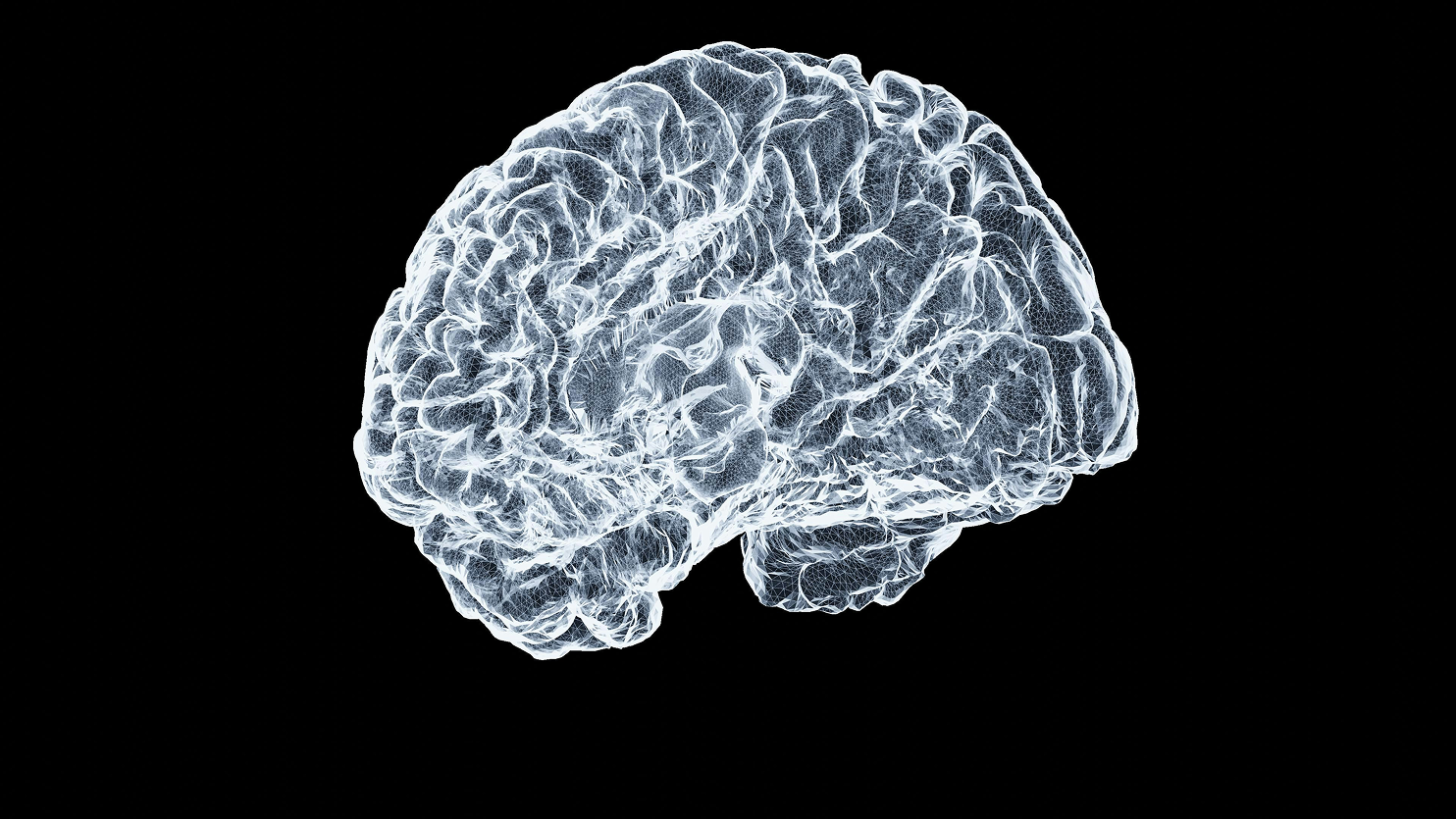
Image: NVIDIA
OpenScientist in action
OpenScientist takes a scientist’s question and dataset, then semi‑autonomously generates hypotheses, runs analyses and produces auditable insights. In published case studies it completed work in minutes that domain scientists estimated would take weeks to months.
The cost per run was reported as under $10, meaning that if the tool reaches the consortium’s 200‑plus research groups, it could free more than a million hours of work each year.
Technical foundation
C‑BRAIN runs 64 NVIDIA data‑center GPUs on‑premises and uses cloud‑based Azure nodes, with more Blackwell systems planned. The consortium leverages NVIDIA’s BioNeMo platform and the MONAI framework to build its pipelines.
A hybrid centralized‑federated approach lets AI models learn from data that never leaves each institution, preserving privacy while accessing the “dark data” that most life‑science models miss.
What this means for independent labs
For independent labs that need to process biomedical data, the open‑source nature of OpenScientist lowers the barrier to entry. You can run powerful hypothesis‑testing without buying a supercomputer, and the low per‑run cost keeps budgets realistic.
- Runs on standard GPU hardware
- Open‑source code available on GitHub
- Designed to catch hallucinations before costly experiments
Looking ahead
C‑BRAIN plans a multimodal foundation model that combines neuroimaging, multi‑omics, fluid biomarkers and longitudinal clinical data. By year three the goal is to uncover causal mechanisms of brain aging, moving beyond correlation.
Open questions
The tool shows promise, but how quickly it will scale beyond the consortium’s members remains to be seen.
Sources
This post is based on NVIDIA.
Want more AI news in plain English? Read the latest on the Zoetra Blog.